Robert B. Payne, Inc. Estimate Request - Heating - Air Conditioning - Fuel Oil

HVAC Tips

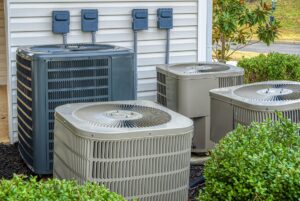
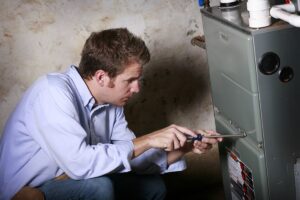
In maintaining your home or business HVAC system, there are a number of regular checks you can perform that will help prolong the life of your equipment and maintain the quality of air produced by it. We have provided some tips to help you troubleshoot and maintain your system.

HVAC Tips

Smell Gas? - What should you do? According to Columbia Gas, leave your home immediately. Do not light matches, touch electrical switches, or even use your phone. Call your gas supplier from a neighbor's home immediately and remain near your home until a representative arrives.

Carbon Monoxide - is an odorless gas which is present whenever there is insufficient oxygen during combustion. Exposure to carbon monoxide may cause nausea, dizziness, violent coughing, irregular breathing, and ultimately unconsciousness. If you suspect carbon monoxide poisoning get to fresh air quickly. Call the local Emergency/Fire & Rescue Association immediately. The US Consumer Products Safety Committee recommends every home should be protected with a carbon monoxide detector.

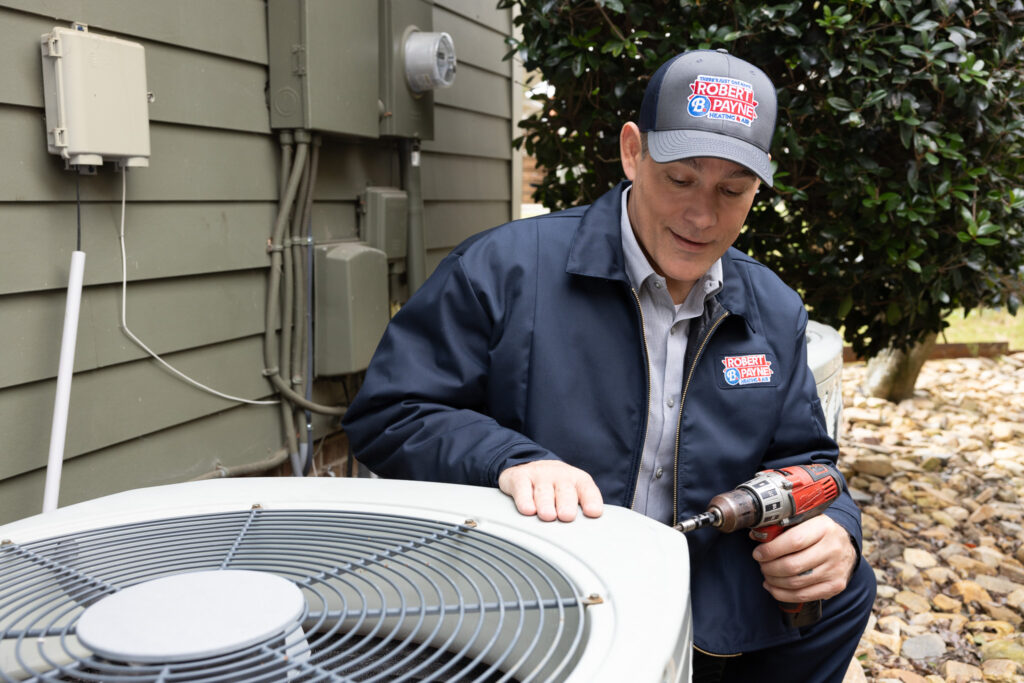
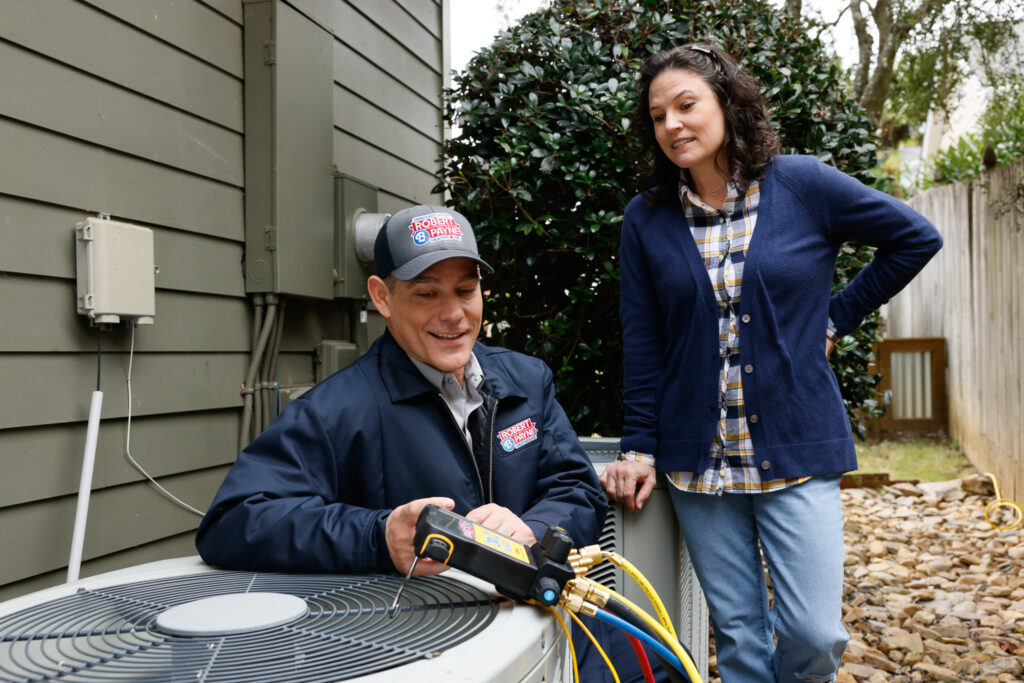
Maintenance - Keep your heating & air conditioning equipment filter clean. It takes more energy and can raise your electric or fuel bill considerably when dirty. Filters should checked every 30 days. According to Honeywell, 90% or more of airborne particles get past the typical "dime store filters", up to 50% of these particles are captured by the indoor coil. Dirty coils increase operation cost dramatically over time. With a typical throw away 5-7% efficient filter, operation cost of a heat pump could increase almost 10% after 5 years, over 35% in 15 years, and 49% over 20 years!

Maintenance programs for your HVAC can put money back into your pocket. Up to 80% of all compressor failures are caused by something other than the compressor. When small inexpensive items found defective can be corrected, studies have shown homeowners who are on regular maintenance programs pay for fewer compressor failures and emergency repairs.

Ducts - A faulty, leaky duct system can increase your home's heating and cooling costs by as much as 40%. A study conducted by Lakeland Electric & Water Utility and the Florida Solar Energy Center reported that 10% duct leakage was found to increase cooling demand by 23% and heating demand by up to 37%. Leaky ductwork not only effects operating costs, it can also cause indoor air quality problems.

Air Quality - A properly humidified home can help rectify problems caused by dry air. In many cases where excessive dryness has been diagnosed as the cause of these aggravations doctors have prescribed humidification. In fact, properly humidified air during the winter season allows you to set the thermostat lower and still be comfortable. Obviously this saves you money. Correct humidity levels protect furniture, trim, and doors from damage by shrinkage and reduces loss of moisture from carpets and draperies.

Electrical Outlets - Non-gasketed electric outlets may be a big energy waster in your home. You can purchase these gaskets at a local hardware store.

Weather-stripping - Check to ensure your home is properly weather stripped and caulked. Infiltration of air around windows and doors is a major cause of excessive energy consumption in home and businesses today.

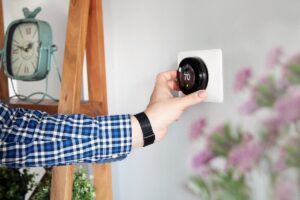
Thermostats - New programmable thermostats can replace your older thermostat and save you money. The thermostat can be automatically programmed to raise or lower the set points at bedtime and again in the morning. A heat pump must have a thermostat that is designed specifically for that heat pump system.

< Return to Learning Center

Customer Testimonials:
 
1209 Lafayette Blvd., PO Box 480, Fredericksburg, VA 22404
Phone: 540-373-5876   Fax: 540-899-0544   Toll Free: 1-877-RBPAYNE
© 2008 Copyright  Robert B. Payne, Inc. All Rights Reserved. Privacy Notice
Web design and development by AdServices.net