

Choosing between ducted and ductless air conditioning is an important decision for any homeowner. Both systems can keep your home comfortable, but they work differently and offer different benefits depending on your layout, budget, and cooling goals. Some homeowners also search for a concealed AC system when they want powerful cooling with a cleaner, less visible look.
In this blog, you will learn the pros and cons of ducted and ductless air conditioning systems, how each system works, and which option may be a better fit for your home. Understanding these differences can help you make a smarter investment and choose a cooling solution that supports comfort, efficiency, and long-term performance.
What Is the Difference Between Ducted and Ductless Air Conditioning?
Ducted and ductless air conditioning systems both cool indoor spaces, but they deliver air in different ways.
A ducted system uses a central unit connected to ductwork that distributes cooled air throughout the home. This setup is common in houses with ducts already in place.
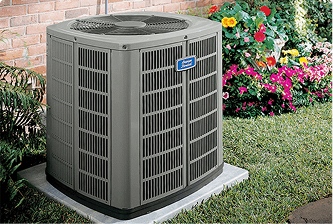
A ductless system, often called a mini-split, uses an outdoor unit connected to one or more indoor air handlers. Each indoor unit cools a specific room or zone without relying on ducts.
This basic difference affects everything from installation cost to appearance, energy use, and temperature control.
What Is a Ducted Air Conditioning System?
A ducted air conditioning system cools the home through a network of ducts hidden behind walls, ceilings, or floors. Air moves from the central unit through vents in different rooms, creating a more uniform cooling experience across the house.
Many homeowners prefer ducted systems because they provide:
- Whole-home cooling from one centralized system
- A clean, discreet appearance with only vents visible
- Consistent comfort across multiple rooms
- Easy integration with existing ductwork and thermostats
For homeowners who want a concealed AC system, ducted air conditioning is often the most appealing choice because it keeps the equipment less noticeable inside the home.
Pros of Ducted Air Conditioning
One major advantage of ducted AC is convenience. A single system can cool the entire home without requiring visible wall-mounted units in each room. For many homeowners, that cleaner look is a big benefit.
Ducted systems are also a popular option for anyone prioritizing design and aesthetics. If you want your cooling equipment to blend into the background, a concealed AC system approach can help maintain a more polished interior appearance.
Another benefit is whole-home coverage. Ducted systems work well for open floor plans and homes where a single, centralized setup makes the most sense. If ducts are already installed and in good condition, upgrading an existing system may be simpler than switching to a different cooling system.
Another benefit is resale appeal. Many buyers are familiar with central air, and a ducted system may feel like the more traditional whole-home solution.
Cons of Ducted Air Conditioning
The biggest drawback of ducted AC is that the ductwork itself can affect performance. If ducts are leaking, poorly insulated, or improperly sized, the system may lose efficiency and struggle to cool the home evenly.
Installation can also be more complicated in homes without ducts. Adding ductwork to an older home may require major renovations, higher labor costs, and more disruption.
Ducted systems may also offer less zoning flexibility unless additional controls are installed. If different family members prefer different temperatures in different rooms, a standard central system may not provide as much customization.
What Is a Ductless Air Conditioning System?
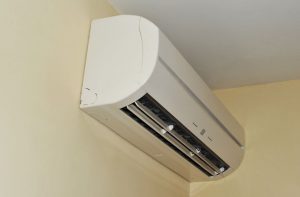
A ductless air conditioning system cools specific rooms or zones using individual indoor units connected to an outdoor condenser. Because it does not rely on ductwork, it can be installed in homes where traditional central air is impractical.
Ductless systems are often chosen for:
- Homes without existing ductwork
- Room additions and converted spaces
- Garages, sunrooms, and finished basements
- Better zone control
- Improved efficiency in specific areas
This flexibility makes ductless AC especially appealing for homes with unique layouts or rooms that are difficult to keep comfortable.
Pros of Ductless Air Conditioning
One of the biggest advantages of ductless AC is zone control. Each indoor unit can often be set to a different temperature, helping reduce wasted energy and giving homeowners more control over comfort.
Installation is usually less invasive than adding new ductwork. A ductless system requires only a small opening for the conduit connecting the indoor and outdoor units. That can make it a practical option for older homes or additions where expanding the duct system would be expensive.
Ductless systems can also be energy efficient. Since there are no ducts, there is no energy loss from leaky air distribution. This can be a meaningful benefit in homes where old ductwork would otherwise reduce system performance.
Cons of Ductless Air Conditioning
One common concern with ductless AC is appearance. The indoor air handlers are visible on the wall or ceiling, which may not fit every homeowner’s design preferences. This is often the biggest difference between ductless cooling and a concealed AC system.
Initial equipment cost can also be higher if multiple indoor units are needed to cool several rooms. While a single-zone mini-split may be cost-effective for a single area, outfitting an entire home with multiple zones can be expensive.
Maintenance is another factor. Each indoor unit has its own filter and components that need regular attention. If the system includes several air handlers, that can mean more routine upkeep over time.
Is Ducted or Ductless Better for Whole-Home Cooling?
For many homes, ducted air conditioning is the better choice for whole-home cooling, especially when existing ductwork is already in place and in good condition. It offers a more seamless appearance and can cool multiple rooms through a single central system.
Ductless air conditioning can also work for whole-home cooling, but it depends on the layout and number of indoor units needed. In some homes, especially smaller properties or homes without ducts, a multi-zone ductless system may be the better fit.
The best option often comes down to these factors:
- Whether the home already has ducts
- The number of rooms that need cooling
- The age and condition of the house
- The homeowner’s preference for zoning and control
- Budget for installation and long-term use
Which System Is More Energy Efficient?
Energy efficiency depends on the system design, installation quality, and how the home is used.
Ductless systems often have an edge in homes where zoning matters. If you only need to cool occupied rooms, a ductless setup can reduce unnecessary energy use. It also avoids energy loss through duct leaks.
Ducted systems can still be highly efficient, especially when paired with sealed, insulated ductwork and high-efficiency equipment. For larger homes that need consistent cooling in many rooms, a well-designed ducted system may still be the more practical and efficient solution overall.
When comparing systems, ask:
- Do you need to cool the whole house or a few key rooms?
- Is your existing ductwork in good shape?
- Do family members prefer different temperatures?
- Are some rooms used less often than others?
These questions can help reveal whether centralized cooling or zoned cooling will be more efficient for your lifestyle.
What About Installation Costs?
Installation cost is often a deciding factor, but the cheaper option depends on the home.
If the house already has usable ductwork, a ducted system may make financial sense. If no ducts exist, installing them can significantly raise project costs.
A ductless system may be more affordable for a single room, addition, or targeted cooling need. However, if many indoor units are required, total project cost can rise quickly.
Instead of focusing only on the upfront number, it helps to consider the full value of the system, including:
- Equipment costs
- Labor and installation complexity
- Long-term energy use
- Maintenance requirements
- Future repair needs
How Do You Choose the Right System for Your Home?
The right air conditioning system depends on your home’s structure and your comfort priorities.
Ducted AC may be the better choice if:
- Your home already has ductwork
- You want a cleaner, less visible look
- You prefer one central cooling system
- You need consistent comfort across many rooms
Ductless AC may be the better choice if:
- Your home does not have ducts
- You want room-by-room temperature control
- You are cooling a new addition or converted space
- You want a less invasive installation process
A professional evaluation can help determine which option fits your home’s size, layout, and usage patterns.
Why Professional Guidance Matters
Choosing between ducted and ductless AC is not just about features. It is also about system design, installation quality, and long-term performance. A professional can assess your home’s cooling needs, inspect existing ductwork, and recommend a setup that supports comfort and efficiency.
Without that evaluation, homeowners may choose a system that looks good on paper but does not perform well in real-life conditions.
Make the Right Choice with Robert B. Payne
Ducted and ductless air conditioning systems both offer real advantages, but the better option depends on your home’s construction and how you want to manage comfort. Ducted AC is often ideal for whole-home cooling and a streamlined appearance. Ductless AC stands out for its zoning, flexibility, and suitability for homes without existing ducts.
If you are trying to decide which cooling system makes the most sense for your home, contact us today at Robert B. Payne Heating & Air. Our team can help you compare your options and choose an air conditioning solution built for comfort, efficiency, and long-term value.