

The air inside a home or other building can be more polluted than the air outside, even 100 times more! Indoor air pollution can cause throat irritation, headaches, and sinus problems, and can trigger asthma and allergies. Have the experts with Robert B. Payne Heating & Air help make your inside air fresh and healthy for everyone.
Call our team today to schedule air quality services throughout the Fredericksburg area.
What Causes Indoor Air Pollution?
There are dozens of microscopic particles in the air we breathe. Many indoor air pollutants are also found outdoors, but because of natural air circulation, they behave differently. The natural air circulation is altered by the insulating properties of doors, windows, and walls. As a result, you will likely need to improve the quality of your air filtration.
Once pollutants are trapped indoors, their concentration can skyrocket, thus causing the problems described above. Common indoor air pollutants include:
- Mold
- Mildew
- Bacteria
- Pollen
- Dust
- Animal dander
- Dead skin cells
Poor indoor air quality is often due to a combination of pollutants and inadequate ventilation. Both of these factors must be addressed to improve overall air quality. We care about the health and well-being of our customers; by combating indoor air pollution, the associates at Robert B. Payne Heating & Air can improve community health one building at a time.
How We Can Help You
Please take a moment to ask yourself the following question about your home:
- Is your indoor air stale or stuffy?
- Are rooms difficult to heat or cool effectively?
- Do you have high utility bills?
- Are there drafts?
- Is anyone inside the home suffering from asthma or allergies?
- Has there been any recent remodeling or renovation on the property?
- Does dust appear on surfaces soon after removal?
We install whole-home humidifiers, dehumidifiers, and air purifiers.
Indoor Air Quality
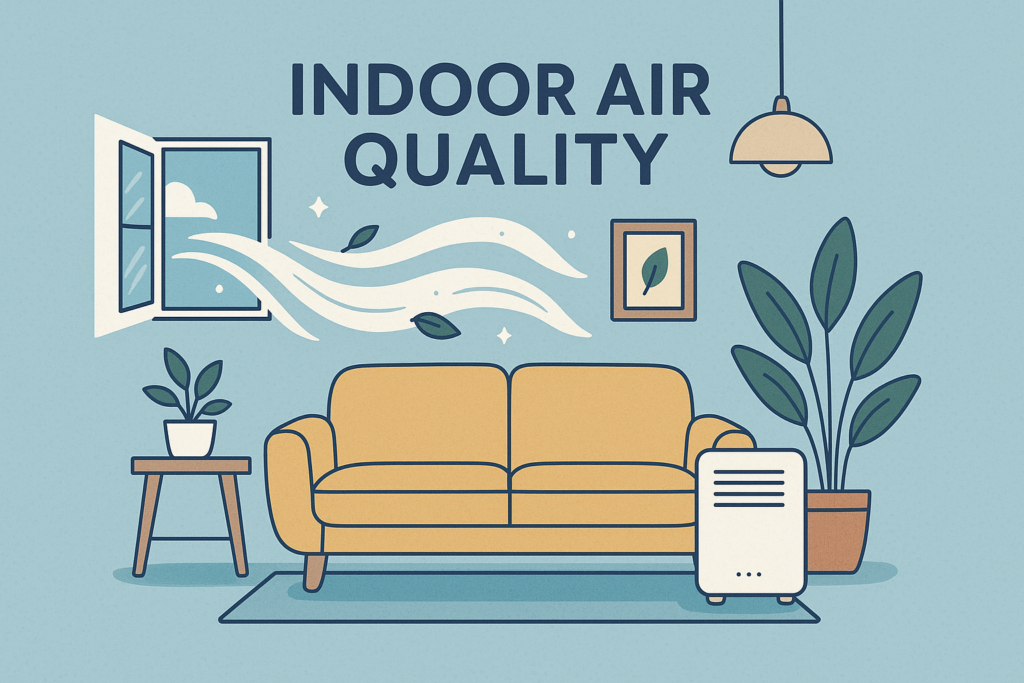
Clean indoor air is essential for a comfortable and healthy home. It’s easy to forget about the air we breathe. It’s such a simple matter, and yet so very necessary to our way of life. We cannot see air, though. As such, it’s an afterthought. Once an illness sets in, however, the air we’re breathing becomes far more critical.
If you notice your air ducts are dirty or the filter has not been changed this month, you need to perform maintenance. Changing your air filter will significantly improve the quality of the air you breathe.
If you are concerned with the indoor air quality of your home, ActivePure® Technology is something you might want to consider installing. This technology is more than just an air purification system that eliminates odors and reduces dust. It also goes the extra mile by removing contaminants from the air and surfaces inside your home.
Why Trust Robert B. Payne for Your Air Quality
Since 1930, Robert B. Payne has been the technical authority on home health in the Fredericksburg area, going beyond simple temperature control to manage the actual composition of the air you breathe. Our highly trained technicians specialize in integrating advanced air scrubbers and humidification systems that neutralize microscopic contaminants that standard filters miss.
We understand the specific regional triggers, from high seasonal pollen to indoor humidity, and provide precision installations backed by a 100% satisfaction guarantee. With 24/7 emergency support and nearly a century of local expertise, we ensure your home remains a clean, breathable sanctuary regardless of the conditions outside.
Don’t let poor air quality compromise your family’s comfort or health. Contact Robert B. Payne today to schedule an air quality evaluation.
Frequently Asked Questions
How do I choose an indoor air quality system?
When choosing the right indoor air quality system for your needs, consider the current air quality, the building’s overall characteristics, and the needs of the entire building.
For commercial structures, the volume of fumes generated by work processes will play a major role in selecting an indoor air quality system. For example, industrial processes can generate large quantities of dust, while welding may produce fumes. These fumes will rise, and heavier dust will reenter the air, lowering overall quality.
Depending on your needs, an indoor air quality system can remove pollen, bacteria, molds, carbon dioxide, contaminants, and dirt from the air. For many, ventilation will make a huge difference. Proper ventilation is essential for improving indoor air quality and reducing environmental risks for those living or working in the immediate area.
How do I know if I have an indoor air quality problem?
There are a few signs to watch for to determine whether you may have an indoor air quality problem at home or at work. For example, if you are worried about the air quality at home, common signs to watch for include feeling sick at home but feeling better when you are away. If you notice extra dirt or mold around your heating and cooling units, it’s a sure sign of an air quality problem. Dirt and mold sometimes carry an odor that doesn’t dissipate easily.
Alternatively, if the air in your home is not circulating efficiently throughout each room, there is an issue with your heating or cooling system that a professional should examine as soon as possible. While inspecting the system, a professional will look for any other signs that could be harmful to your health.
Will installing a whole-home air purifier affect my existing HVAC system’s airflow?
When professionally sized and installed, these systems are designed to work in tandem with your current blower motor without causing significant pressure drops or restricted airflow. Our technicians perform static pressure tests during installation to ensure the air-quality upgrade doesn’t place unnecessary strain on your heating and cooling equipment.
Can I control my whole-home humidifier and dehumidifier through my existing smart thermostat?
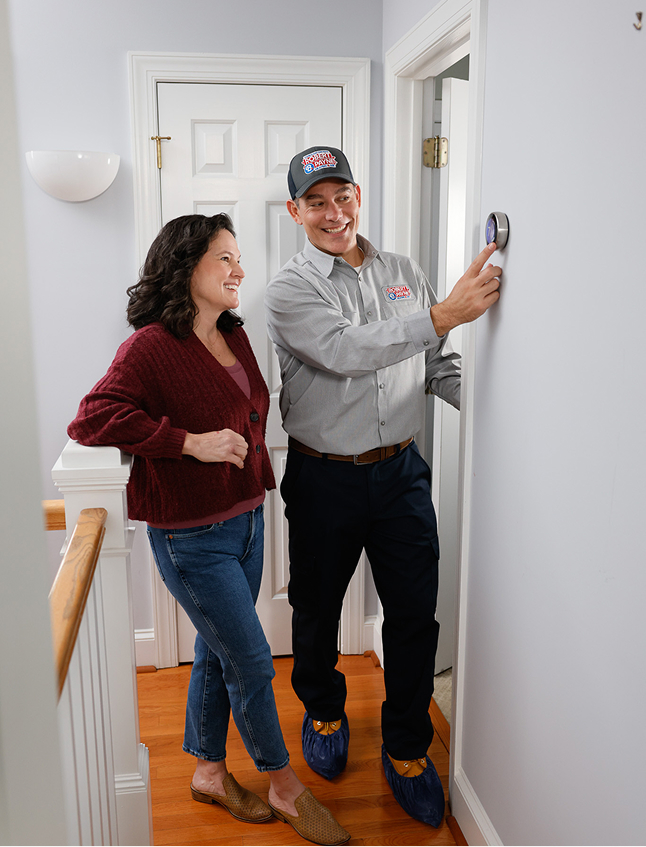
Many modern smart thermostats are compatible with indoor air quality accessories, allowing you to manage humidity levels directly from your wall unit or smartphone app. If your current thermostat isn’t compatible, we can recommend and install an upgraded control system that integrates all your HVAC and air quality components into a single interface.
What is the difference between a standard air filter and a whole-home air purification system?
While standard filters are primarily designed to protect your HVAC equipment from large dust particles, whole-home purifiers use advanced technologies to neutralize microscopic pathogens, VOCs, and odors. These systems work throughout your entire home rather than just trapping debris at the return vent, providing a much higher level of protection for those with severe allergies or respiratory concerns.