

A sudden loss of heat during a Fredericksburg winter can quickly turn a cozy evening into a stressful emergency. When the temperature outside drops toward the freezing mark, your home’s heating system is under its highest strain, and even a minor mechanical or electrical issue can cause the entire unit to shut down. While many heating issues require the specialized tools of a licensed technician, there are several common culprits that a homeowner can identify and resolve without a professional service call.
In this blog, we will provide a comprehensive checklist of what to examine when your furnace or heat pump stops responding to the thermostat. By following these fundamental troubleshooting steps, you can either restore your comfort immediately or provide our technicians with critical information that accelerates the repair process.
Simple Thermostat Resets and Battery Checks
The thermostat acts as the brain of your heating system, and a simple communication error at this control point is often the reason a furnace fails to engage. Many modern thermostats are powered by batteries that serve as a backup or primary power source. If these batteries die, the unit can no longer send the “call for heat” signal to your HVAC equipment. Even if the screen appears to be lit, the voltage may be too low to trigger the mechanical relays inside the furnace.
Homeowners should begin their investigation by looking at these specific thermostat settings:
-
Mode Confirmation: Ensure the system is explicitly set to “Heat” rather than “Off” or “Cool,” as it is surprisingly common for a system to be accidentally switched during cleaning or by a curious child.
-
Battery Replacement: If your thermostat is not hardwired into your home’s electrical system, try installing a fresh set of high-quality alkaline batteries to rule out power loss.
-
Temperature Thresholds: Set the setpoint at least 5 degrees above the current room temperature to determine whether the system responds to the increased demand.
-
Programmable Schedules: Check for any “hold” or “vacation” settings that may override your normal heating schedule and prevent the system from turning on.
-
The Fan Test: Switch the fan setting from “Auto” to “On” to verify that the blower motor engages, which helps determine whether the issue is with the heating cycle itself or a total loss of power to the air handler.
If the fan turns on but the air remains cold, you know the blower is getting power, which points the diagnosis toward the ignition or fuel source. However, if the thermostat remains blank or unresponsive after a battery change, the issue may lie deeper in the low-voltage wiring connecting the control board to the wall unit.
Power Switches and Circuit Breaker Inspections
Heating systems are heavy-duty appliances that require a stable and significant amount of electricity to operate safely. If your heat suddenly vanishes, it is possible that a power surge or a localized electrical overload has tripped a safety mechanism. Every furnace in the Fredericksburg area is equipped with a dedicated power switch, often resembling a standard light switch and located on or near the side of the unit. These switches can be accidentally flipped by someone moving boxes in a basement or a technician working in a crawl space, instantly cutting all communication to the heater.
Checking your home’s electrical panel and local switches involves these critical steps:
-
Locate the Service Switch: Ensure the toggle switch on the side of your furnace or air handler is in the “Up” or “On” position.
-
Inspect the Breaker Box: Look for a circuit breaker labeled “Furnace” or “HVAC” that has moved to the middle or “Off” position and reset it by flipping it all the way off before moving it back to “On.”
-
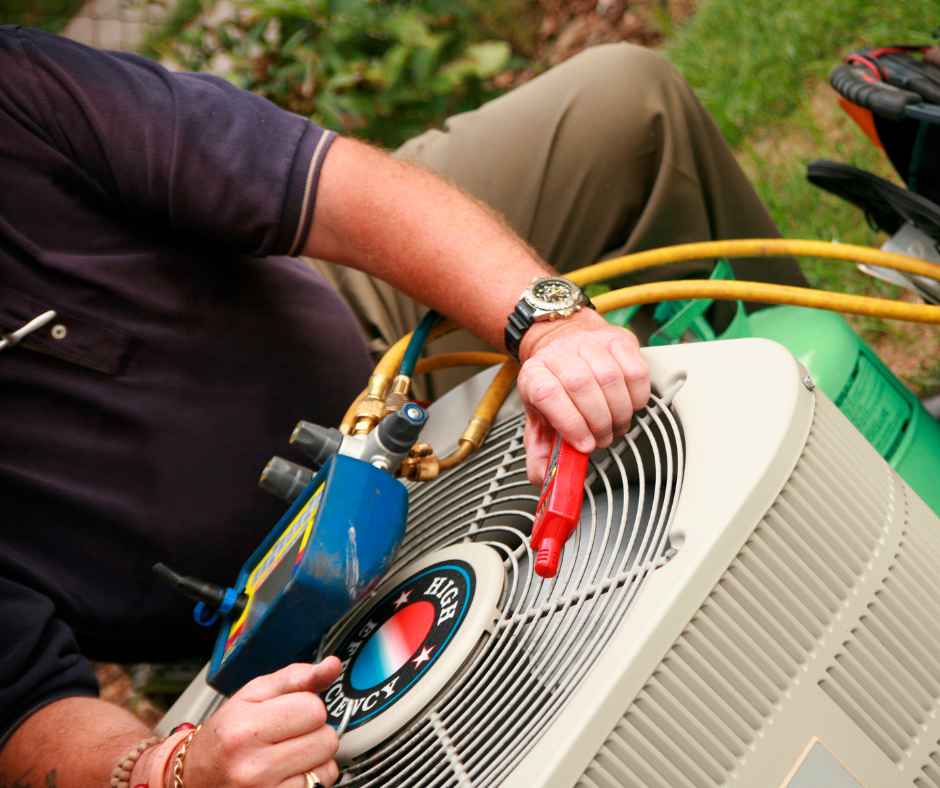
Check the Outdoor Disconnect: For homeowners with heat pumps, ensure the disconnect box located near the outdoor compressor has not been tampered with or tripped.
-
Examine the Fuse: Older homes in historic Fredericksburg may still utilize fuse boxes; therefore, you should check for a blown fuse with a broken filament or a charred glass top.
-
Assess the Door Interlock Switch: Most furnaces have a safety switch behind the blower compartment door that prevents the unit from running if the panel is not perfectly flush and secure.
If a breaker trips a second time immediately after being reset, do not attempt to flip it again. A recurring trip is a definitive sign of a dangerous short circuit or a failing motor that is drawing too much amperage. In this scenario, leaving the power off and calling for a professional inspection is the only safe way to prevent an electrical fire or further damage to your system’s control board.
Air Filter Condition and Safety Limit Trips
Airflow is the lifeblood of any heating system, and a neglected air filter is one of the most common reasons for a sudden system lockout. When a filter becomes heavily clogged with dust, pet dander, and household debris, it creates immense resistance for the blower motor. This lack of airflow causes the heat exchanger in a gas furnace to reach dangerously high temperatures. To prevent the metal from cracking or causing a fire, a safety device called a “high-limit switch” will automatically shut down the burners.
Maintaining proper airflow requires a proactive approach to these maintenance tasks:
-
Visual Filter Inspection: Remove the air filter and hold it up to a light source. If you cannot see light passing through the fibers, the filter is too dirty and must be replaced.
-
Vent and Return Clearance: Ensure that heavy furniture, rugs, or curtains do not block the return air grilles or supply vents in individual rooms.
-
Filter Directionality: Verify that the new filter is installed with the arrows pointing in the direction of airflow; installing it backward can significantly reduce efficiency and cause pressure buildup.
-
Coil Cleanliness: If you have a heat pump, check the outdoor unit for a heavy accumulation of leaves or snow that could be suffocating the system’s ability to exchange heat.
-
The Reset Period: After replacing a dirty filter, you may need to turn the power off and back on at the breaker to clear the “lockout” code and allow the system to attempt a new start-up.
High-limit trips are a protective measure, but repeated overheating can permanently weaken the heat exchanger. In a gas-fired system, a cracked heat exchanger is a severe safety hazard that can allow carbon monoxide to enter your home’s air supply. If your system frequently shuts down and then restarts after a cooling-off period, it is a clear warning that the airflow is insufficient and the system is operating at dangerously high temperatures.
Ignition Problems and Fuel Supply Verification
For Fredericksburg residents who rely on natural gas, propane, or heating oil, the problem could be a failure in the ignition sequence or a lack of fuel. Modern furnaces use electronic igniters or hot-surface igniters that glow brightly to ignite the burners, while older units may still use a standing pilot light. If the igniter fails to reach a specific temperature or the pilot light is blown out by a draft, the furnace will enter a “lockout” mode to prevent unburned gas from accumulating in your home.
Verifying the fuel and ignition status involves checking these components:
-
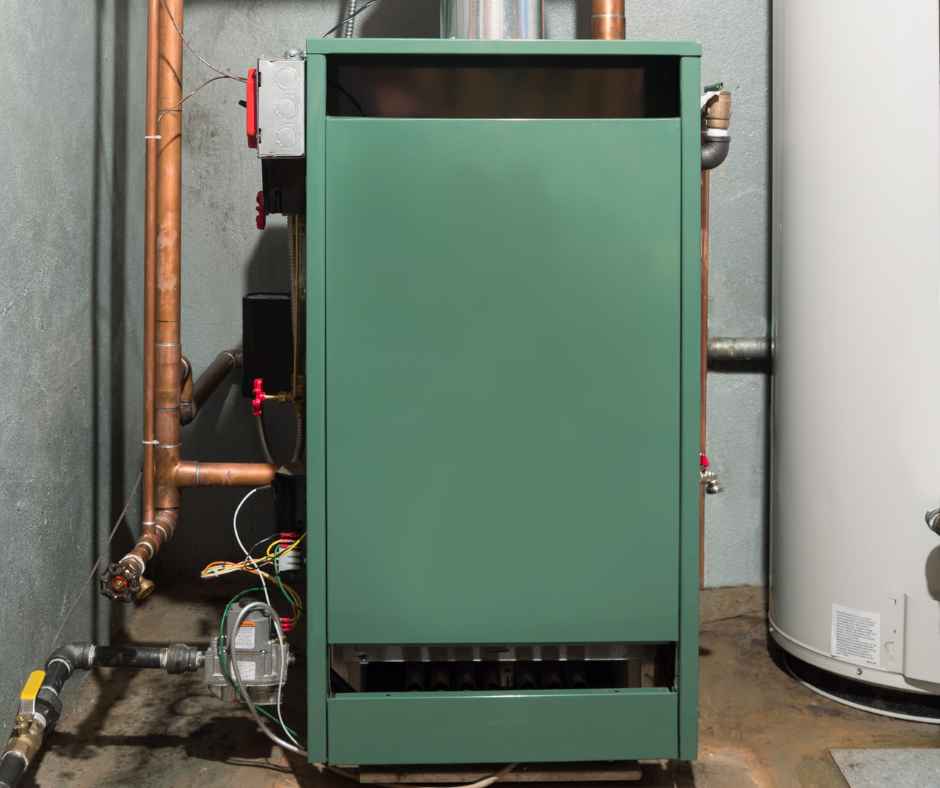
Gas Valve Position: Ensure the manual gas shut-off valve located on the pipe leading into the furnace is in the “Open” position, with the handle parallel to the pipe.
-
Pilot Light Status: For older systems, look through the small inspection window to see if a blue flame is present: if it is out, follow the manufacturer’s instructions on the unit to relight it safely.
-
Fuel Levels: If you use a propane or heating-oil tank, check the gauge to ensure you have not run dry during a particularly cold stretch of weather.
-
The Flame Sensor: A dirty flame sensor may fail to detect the fire even if the burners light, causing the system to shut down after just a few seconds of operation.
-
Error Code Flashes: Look through the plastic viewing port on the furnace door for a blinking LED that displays a specific code indicating which part of the ignition sequence failed.
Working with gas or oil lines requires extreme caution. If you smell a “rotten egg” odor or hear a persistent hissing sound, do not attempt to troubleshoot the system or flip any electrical switches. Immediately evacuate all residents from the home and call your gas provider or emergency services from a safe distance. Once the site is cleared of leaks, the experts at Robert B. Payne can help identify the cause of the ignition system failure and restore your heating system safely.
High-Efficiency Condensate Drain Lines
If you have a high-efficiency condensing furnace (identifiable by white PVC exhaust pipes rather than metal ones), a simple plumbing clog could be the reason your heat stopped. These systems produce significant amounts of water as a byproduct of combustion. This water must be drained via a plastic tube to a floor drain or a condensate pump. If the line becomes blocked by algae, sediment, or even frozen water in a cold crawl space, a safety float switch will trigger and shut the furnace down to prevent water from backing up into the internal components.
You can often resolve these drainage issues by performing these quick checks:
-
Inspect the Drain Line: Look for any visible clogs or “kinks” in the clear plastic tubing exiting the side of your furnace.
-
Test the Condensate Pump: If your system uses a small white pump box, ensure it is plugged in, and the reservoir is not overflowing.
-
Clear the Exit Point: Ensure the end of the drain line outside your home is not submerged in a puddle or blocked by ice and snow.
-
Flush the Trap: Some homeowners can safely clear a minor blockage by carefully pouring a small amount of warm water or a water-and-white-vinegar mixture through the drain line.
-
Verify Slope: Ensure the drain line slopes downward away from the furnace; a “belly” in the line can trap water and cause the system to stall.
Drainage-related shut-offs are particularly common during the first few weeks of heavy heating use when summer sediment has had time to settle and dry in the lines. By keeping these pipes clear and ensuring your condensate pump is operational, you can prevent one of the most frustrating and “invisible” causes of a heating failure.
Expert Fredericksburg Heating Solutions from Robert B. Payne
When the simple checks are not enough to bring your heat back, you need a team that understands the specific nuances of Fredericksburg’s varied home styles and heating technologies. Since 1930, Robert B. Payne Heating & Air has been the trusted name for reliable, honest heating repairs in our community. Our NATE-certified technicians have the experience to diagnose complex electrical issues, cracked heat exchangers, and failing compressors with precision and speed. We prioritize your family’s safety and comfort, offering 24/7 emergency services to ensure you are never left in the cold for long.
Contact us today to schedule your service and experience the peace of mind that comes from working with Fredericksburg’s most established HVAC experts.