

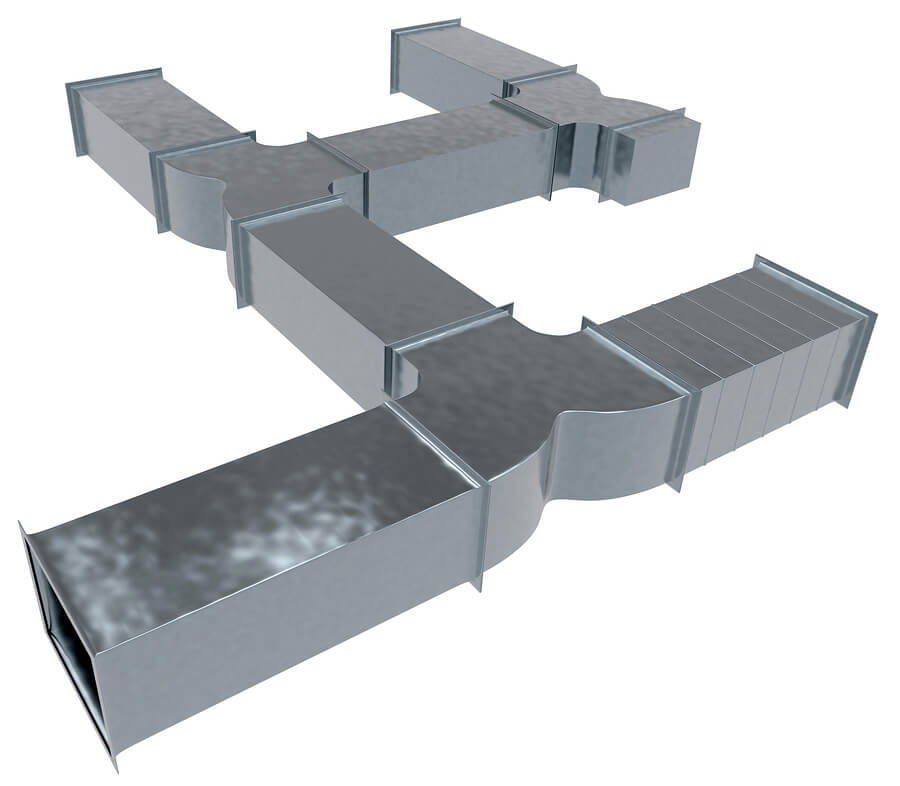
The four main types of residential ductwork are sheet metal ducts, fiberboard ducts, fiberglass-lined ducts, and flexible ducts. Sheet metal ductwork is known for its durability; fiberboard can offer built-in insulation; fiberglass-lined ducts may help reduce HVAC noise; and flexible ductwork is useful in tight or hard-to-reach areas. The best ductwork type for your home depends on layout, airflow needs, insulation, indoor air quality concerns, and installation budget.
Your ductwork plays a major role in how comfortable, efficient, and healthy your home feels. Even if your furnace, heat pump, or air conditioner is working properly, damaged or poorly designed ducts can make it harder for conditioned air to reach every room.
For homeowners in Fredericksburg and surrounding Virginia communities, ductwork matters year-round. Your ducts help deliver warm air in winter and cool air in humid summer weather. When the wrong duct material is used, or when ducts are leaking, kinked, poorly insulated, or dirty, your HVAC system may have to work harder than it needs to.
At Robert B. Payne, we help homeowners understand how their HVAC systems work from the equipment to the ductwork behind the walls, in the attic, or under the home. In this guide, we’ll explain the four main types of ductwork, the pros and cons of each, and how to know when your home may need duct repair, duct replacement, or a professional ductwork inspection.
What Does Ductwork Do in Your HVAC System?
Ductwork is the network of pathways that moves heated or cooled air throughout your home. Your HVAC system conditions the air, and the ducts distribute it to bedrooms, living areas, kitchens, bathrooms, and other rooms.
A well-designed duct system helps your home maintain consistent temperatures and steady airflow. A poorly designed or damaged duct system can cause comfort problems even when the HVAC equipment itself is in good condition.
Your ductwork helps:
- Move heated air from the furnace or heat pump
- Move cooled air from the air conditioner or heat pump
- Return air back to the HVAC system
- Support balanced airflow between rooms
- Help control comfort and efficiency
- Reduce strain on heating and cooling equipment
- Support indoor air quality when properly sealed and maintained
When ductwork is damaged, leaking, undersized, oversized, or poorly installed, your HVAC system may struggle to keep your home comfortable.
What Are the 4 Main Types of Ductwork?
The four main types of ductwork used in residential and light commercial HVAC systems are:
- Sheet metal ductwork
- Fiberboard ductwork
- Fiberglass-lined ductwork
- Flexible ductwork
Each duct type has advantages and disadvantages. Some are better for long-term durability. Others are useful for specific spaces, noise control, insulation, or budget-friendly installation.
The right choice depends on your home’s design, the location of the ducts, your heating and cooling needs, and the condition of your existing HVAC system.
What Are the Pros and Cons of Sheet Metal Ductwork?
Sheet-metal ductwork is one of the most common types used in homes. It is typically made from galvanized steel or aluminum and is known for strength, durability, and long service life.
Sheet-metal ducts are often used in main trunk lines or in areas where rigid, long-lasting ductwork is needed. Because the material is non-porous, it is less likely to trap moisture inside the duct wall itself.
Benefits of sheet metal ductwork include:
- Strong and durable construction
- Long lifespan when properly installed
- Smooth interior surface for airflow
- Less likely to support mold growth than porous materials
- Easier to clean than some other duct types
- Good option for permanent duct runs
- Commonly used in residential HVAC systems
Potential drawbacks of sheet metal ductwork include:
- Can cost more to install than flexible ductwork
- May require more labor and planning
- Can be noisy if not properly designed or insulated
- May lose energy if ducts are not insulated in unconditioned spaces
- Joints and seams can leak if not sealed properly
- Can collect dust and debris over time
Sheet metal ductwork is often a strong choice when durability and cleanability are priorities. However, proper sealing and insulation are important, especially if the ducts run through an attic, crawlspace, garage, or another unconditioned area.
What Are the Pros and Cons of Fiberboard Ductwork?
Fiberboard ductwork is made from compressed fiberglass fibers bonded together with resin. It usually has a foil exterior that helps resist moisture and provides insulation.
This type of ductwork can be useful in situations where insulation is important. Because the insulation is built into the material, fiberboard may help reduce heat loss or heat gain as air moves through the ducts.
Benefits of fiberboard ductwork include:
- Built-in insulation
- Can help reduce energy loss
- May be quieter than uninsulated metal ducts
- Can be shaped for certain duct layouts
- Often used where insulated ductwork is needed
- May be more affordable than some custom metal duct designs
Potential drawbacks of fiberboard ductwork include:
- Interior surface can collect dust and debris
- More difficult to clean than sheet metal
- Can be vulnerable to moisture problems
- May support mold growth if it becomes damp
- Can degrade over time if damaged or contaminated
- May not be ideal for homes with significant indoor air quality concerns
Fiberboard ductwork can be effective when installed correctly and kept dry. However, moisture control is extremely important. If fiberboard ducts are exposed to damp conditions, they may become difficult to clean and may contribute to air quality problems.
What Are the Pros and Cons of Fiberglass-Lined Ductwork?
Fiberglass-lined ductwork is usually sheet-metal ductwork with fiberglass insulation added inside. This lining helps reduce noise and may help control heat transfer.
This type of ductwork is often used in commercial buildings, but it can also appear in some homes. It may be useful when noise reduction is important, such as near living areas, offices, or rooms where HVAC sound is noticeable.
Benefits of fiberglass-lined ductwork include:
- Helps reduce HVAC noise
- Provides insulation inside the duct
- Can improve comfort by reducing heat transfer
- Useful in some sound-sensitive areas
- May help reduce condensation risk when properly installed
Potential drawbacks of fiberglass-lined ductwork include:
- Interior lining can be harder to clean
- Lining may collect dust or contaminants
- Moisture can create indoor air quality concerns
- Damaged lining may release particles into the airflow
- Aggressive cleaning can damage the fiberglass surface
- May not be the best option for every residential system
Fiberglass-lined ductwork can be useful in certain situations, but it should be inspected if homeowners notice musty odors, visible contamination, poor airflow, or concerns about indoor air quality.
What Are the Pros and Cons of Flexible Ductwork?
Flexible ductwork, often called flex duct, is made from a wire coil covered with flexible plastic and insulation. It is commonly used in homes because it is easier to install around obstacles and in tight areas.
Flex duct can be a practical choice for connecting rooms, navigating attic spaces, or reaching areas where rigid ductwork would be difficult to install. However, flexible ductwork must be installed carefully. Poor installation can create major airflow problems.
Benefits of flexible ductwork include:
- Easier to install in tight spaces
- Often more affordable than rigid ductwork
- Works well around obstacles
- Useful for short duct runs and branch lines
- Lightweight and adaptable
- Common in residential HVAC installations
Potential drawbacks of flexible ductwork include:
- Can kink or sag if not supported properly
- More vulnerable to punctures and tears
- Poor installation can reduce airflow
- Long or twisted runs can hurt efficiency
- May be harder to clean than rigid metal ducts
- Can leak air if connections are not sealed correctly
Flexible ductwork is often a good solution when used correctly. The key is proper installation. It should be pulled tight, supported well, sealed at connections, and routed as directly as possible.
Which Ductwork Type Is Best for Indoor Air Quality?
For indoor air quality, ductwork should be properly sealed, dry, clean, and compatible with your HVAC system. The material matters, but installation and maintenance matter just as much.
In many cases, smooth sheet-metal ductwork is easier to clean and less likely to retain moisture within the ductwork. That can make it a strong option for homeowners concerned about dust, mold, or air quality.
However, any duct system can contribute to indoor air quality issues if it is damaged or poorly maintained.
Ductwork may affect indoor air quality if:
- Ducts are leaking in dusty attics or crawlspaces
- Moisture enters the duct system
- Mold or mildew is present
- Dust and debris have built up inside the ducts
- Ducts are poorly sealed
- Return ducts pull air from dirty or unconditioned areas
- Insulation inside the duct is damaged
- Filters are not changed regularly
If your home feels dusty, smells musty, or causes indoor allergy symptoms to flare, your ductwork may be part of the problem.
How Do You Know If Your Ductwork Needs Repair or Replacement?
Many ductwork problems are hidden because ducts are often located behind walls, in attics, in crawlspaces, or above ceilings. However, your home may give you warning signs when something is wrong.
You may need duct repair or replacement if you notice:
- Rooms that are too hot or too cold
- Weak airflow from vents
- Rising energy bills
- Excessive dust in the home
- Musty or stale odors
- Noisy ducts when the HVAC system runs
- Ducts that are visibly crushed, torn, or disconnected
- Uneven temperatures between floors
- HVAC system running longer than usual
- Poor humidity control
- Frequent HVAC repairs
- Air leaks around duct connections
A professional ductwork inspection can help determine whether your system needs sealing, insulation, repair, cleaning, redesign, or replacement.
Can Bad Ductwork Make Your HVAC System Less Efficient?
Yes. Bad ductwork can make your HVAC system work harder and cost more to operate. If conditioned air escapes through leaks, your system has to run longer to heat or cool the home.
Leaky or poorly designed ducts can cause:
- Wasted heated or cooled air
- Longer HVAC run times
- Higher utility bills
- Reduced comfort
- Strain on system components
- Poor airflow
- Uneven room temperatures
- Shortened equipment lifespan
Even a high-efficiency furnace, air conditioner, or heat pump can underperform if the ductwork is not properly moving air. That is why ductwork should be considered when homeowners are dealing with comfort problems or planning an HVAC upgrade.
Should You Repair or Replace Your Ductwork?
Whether you should repair or replace ductwork depends on the age, condition, material, and design of the duct system.
Duct repair may be enough if:
- Only a few sections are leaking
- Connections need sealing
- Insulation is missing or damaged in limited areas
- Flex duct has minor damage
- Airflow issues are isolated to one area
- The overall duct design is still effective
Duct replacement may be the better option if:
- Ducts are old or deteriorating
- Multiple sections are damaged
- Ductwork is poorly designed
- Ducts are undersized or oversized
- Moisture or mold has affected duct materials
- Flexible ducts are badly sagging or crushed
- Indoor air quality problems keep returning
- You are replacing or upgrading the HVAC system
A professional can inspect the system and explain whether targeted repairs or a larger ductwork upgrade makes more sense.
Schedule Ductwork Service in Fredericksburg, VA
Your ductwork may be hidden, but it has a major impact on your comfort, energy use, and indoor air quality. Whether your home has sheet metal ducts, fiberboard ducts, fiberglass-lined ducts, flexible ducts, or a combination of materials, the system needs to be properly designed, sealed, and maintained.
If you are dealing with weak airflow, uneven temperatures, high energy bills, dusty rooms, or damaged ductwork, Robert B. Payne is ready to help. Schedule service in Fredericksburg, VA today and let our experienced team inspect your system, explain your options, and recommend the right solution for your home.