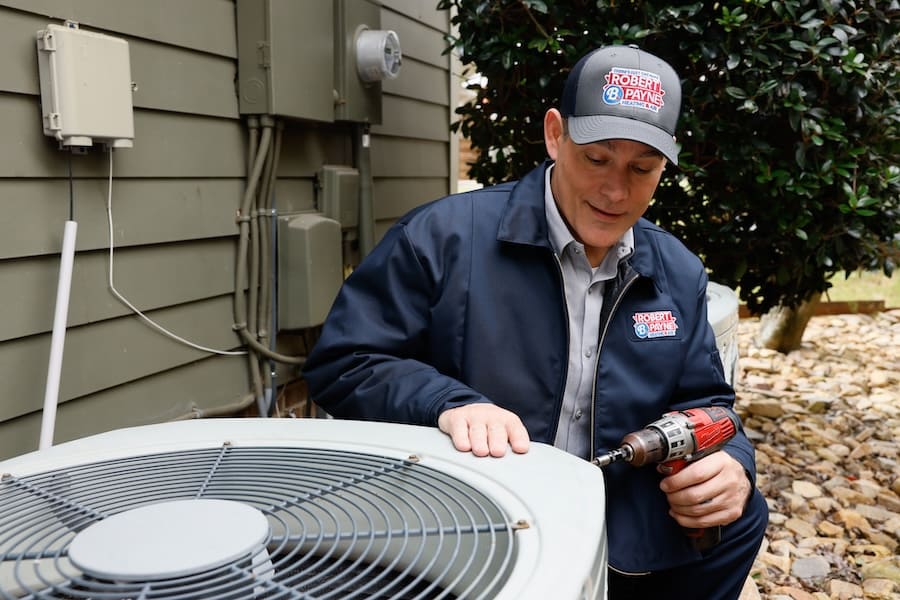


A new air conditioner is a major investment, and the installation process matters just as much as the equipment you choose. The right system can improve comfort, lower energy use, and help your home stay consistently cool during the hottest months. The wrong system can lead to uneven temperatures, higher utility bills, frequent repairs, and a shorter equipment lifespan.
In this blog, you will learn the most important things to consider before installing a new AC unit, from system sizing and energy efficiency to contractor qualifications and long-term maintenance. Understanding these details before you buy can help you make a confident decision and avoid costly mistakes later.
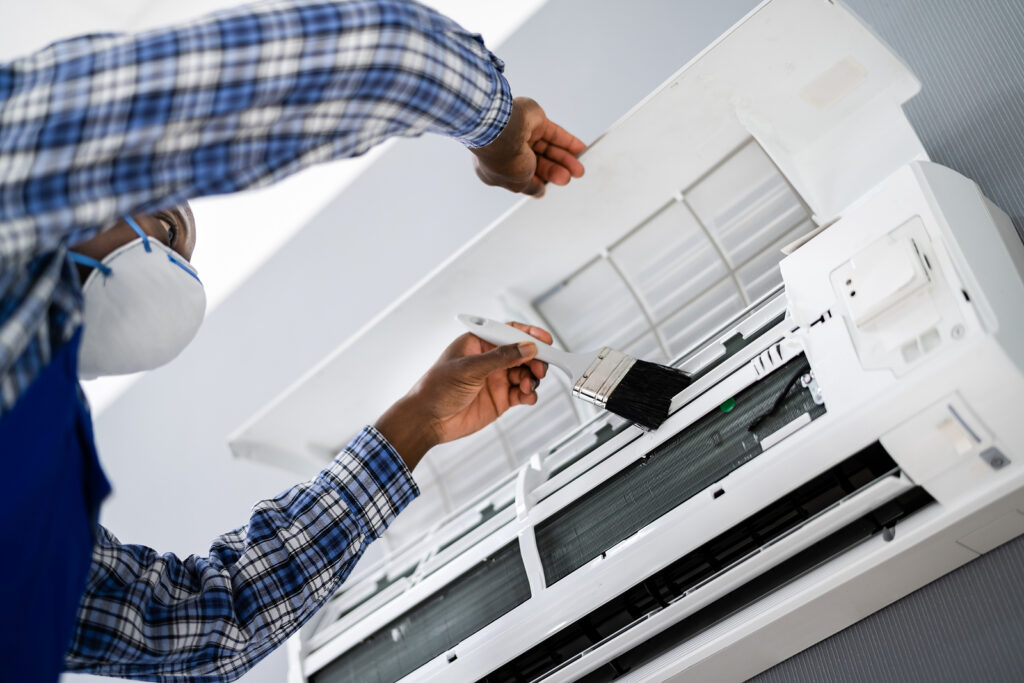
Why Planning Matters Before AC Installation
Many homeowners focus first on brand or price, but the success of a new AC system depends on much more than that. Proper installation starts with evaluating your home, your cooling needs, and the condition of your existing HVAC setup.
Before installation begins, it is important to think about:
- The size of your home
- Your insulation levels
- Airflow and ductwork condition
- Indoor comfort goals
- Budget for upfront and long-term costs
A little planning up front can help you avoid paying for a system that is too large, too small, or not well-suited for your home.
Choose the Right Size AC Unit
One of the most important decisions is selecting the correct size unit. Bigger is not always better. An oversized AC system may cool the home too quickly, leading to short cycling and reduced humidity control. An undersized unit may run constantly and still struggle to keep your home comfortable.
A properly sized system helps deliver:
- Even cooling throughout the home
- Better energy efficiency
- Reduced wear and tear
- Improved indoor humidity control
- More reliable long-term performance
HVAC sizing is not based solely on square footage. A home with poor insulation, older windows, or high sun exposure may need a different cooling capacity than a similar-sized home with better energy performance.
Ask for a Professional Load Calculation
Before installing a new AC unit, a contractor should perform a load calculation. This process evaluates how much cooling your home actually needs. It is one of the best ways to avoid overpaying for the wrong system.
A professional load calculation may include:
- Total square footage
- Ceiling height
- Number and type of windows
- Insulation levels
- Sun exposure
- Number of occupants
- Heat generated by appliances and electronics
- Ductwork performance
Skipping this step can lead to comfort problems and higher operating costs. A recommendation based only on the size of your old unit is not always enough. Homes change over time, and upgrades such as new windows, insulation, or additions can affect the correct AC size.
Compare Energy Efficiency Ratings
Energy efficiency should be part of every AC buying decision. While a high-efficiency unit may cost more upfront, it can help reduce monthly energy bills and improve long-term value.
SEER stands for Seasonal Energy Efficiency Ratio. This rating measures how efficiently an air conditioner operates over a cooling season. In general, a higher SEER rating means better energy performance.
When comparing systems, consider:
- Your local climate
- How often you use your AC
- Your expected length of home ownership
- Your budget for upfront cost versus long-term savings
A more efficient unit may make sense if your current cooling bills are high or if your existing system is older and inefficient.
Beyond SEER ratings, some systems offer features that help improve comfort and performance, such as:
- Variable-speed motors
- Two-stage cooling
- Smart thermostat compatibility
- Improved humidity control
These features can make a noticeable difference in daily comfort, especially in homes that struggle with uneven temperatures or excess indoor moisture.
Evaluate Your Existing Ductwork and Airflow
A brand-new AC unit will not perform well if the ductwork is damaged, leaking, or poorly designed. Before installation, it is smart to have the duct system inspected.
If your ducts have problems, you may notice:
- Hot and cold spots in different rooms
- Weak airflow from vents
- Higher energy bills
- Dust buildup
- Excess strain on the HVAC system
In some cases, duct sealing, repairs, or modifications may be needed to help the new system work properly. This is especially important if your home is older or if you have remodeled areas of the house.
Think About Installation Quality, Not Just Equipment
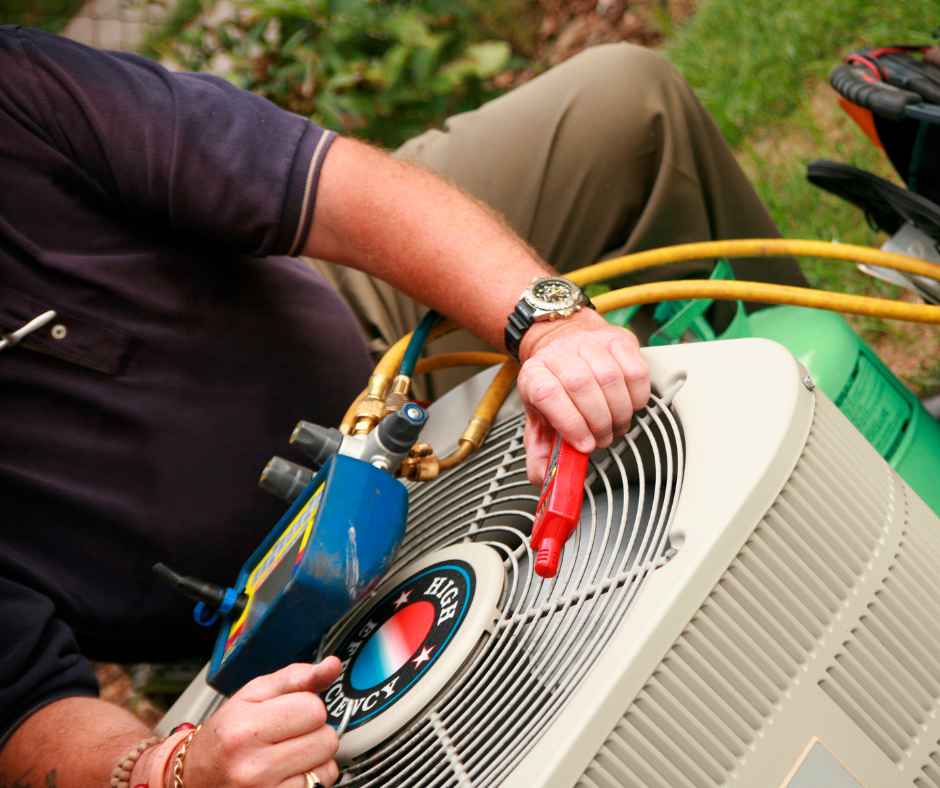
Even the best air conditioner can underperform if it is not installed correctly. Installation quality affects efficiency, comfort, reliability, and warranty protection.
A quality installation should address:
- Proper refrigerant charge
- Secure electrical connections
- Correct airflow setup
- Thermostat calibration
- Safe condensate drainage
- Code-compliant installation practices
Poor installation can create problems from day one. That is why choosing the right contractor is just as important as choosing the right AC unit.
Hire a Licensed and Qualified HVAC Contractor
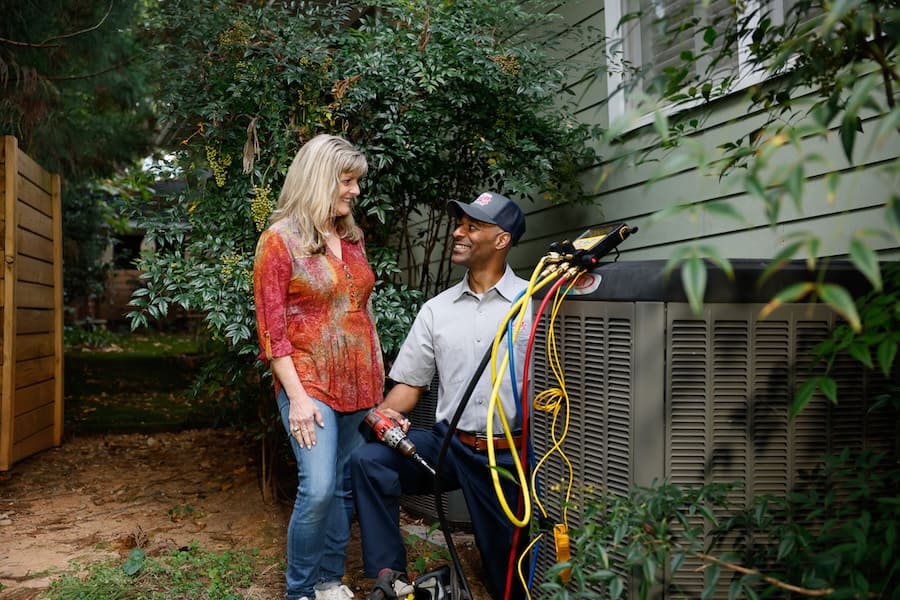
Before moving forward, make sure the company handling the installation is properly licensed and experienced. This helps protect your investment and gives you confidence that the work will meet local requirements.
A reputable contractor should be able to provide:
- Proper licensing and insurance
- Experience with residential AC installation
- Written estimates
- Clear warranty information
- Knowledge of permits and code compliance
- Recommendations based on your home, not a one-size-fits-all sales pitch
It is also helpful to ask questions about the installation process, timeline, and what is included in the quoted price.
Consider asking:
- Will you perform a load calculation?
- Is ductwork inspection included?
- What efficiency options do you recommend?
- Who handles permits and inspections?
- What labor warranty is included?
- What maintenance do you recommend after installation?
These questions can help you compare companies more effectively and make a better-informed decision.
Understand the Full Cost of a New AC Installation
The cost of installing a new AC unit is not just about the equipment itself. A full quote may include additional items that affect the final price.
These can include:
- New outdoor condenser
- Indoor evaporator coil
- Thermostat upgrade
- Refrigerant line updates
- Electrical work
- Duct repairs or modifications
- Permit fees
- Labor and disposal of old equipment
A low quote is not always the best value if important services are missing. Ask for a detailed breakdown, so you understand exactly what is included.
Consider Timing Before You Buy
The time of year can affect scheduling, pricing, and equipment availability. Many homeowners wait until their system fails in the middle of summer, but that can limit their options.
If possible, plan your AC replacement before peak demand. Replacing an aging unit early may give you more time to compare systems, review estimates, and schedule installation at a more convenient time.
Signs your current unit may be nearing the end of its life include:
- Frequent repairs
- Rising energy bills
- Inconsistent cooling
- Unusual noises
- System age over 10 to 15 years
Replacing the unit before a complete breakdown can reduce stress and help you make a more strategic decision.
Do Not Overlook Ongoing Maintenance
A new AC system still needs regular maintenance to perform at its best. Routine service can help maintain efficiency, reduce wear, and catch small issues before they become costly repairs.
Once your new unit is in place, be prepared to:
- Change air filters regularly
- Keep the outdoor unit clear of debris
- Schedule professional tune-ups
- Monitor airflow and thermostat performance
- Address small issues quickly
Some manufacturer warranties may also require professional maintenance to remain valid. That makes regular service an important part of protecting your investment.
Should You Replace More Than the Outdoor Unit?
In some cases, replacing only one component of the system can create performance issues. If the outdoor condenser and indoor coil are mismatched, the system may not operate as efficiently as intended.
A contractor can help determine whether it makes more sense to replace:
- The outdoor AC unit only
- The indoor coil and condenser together
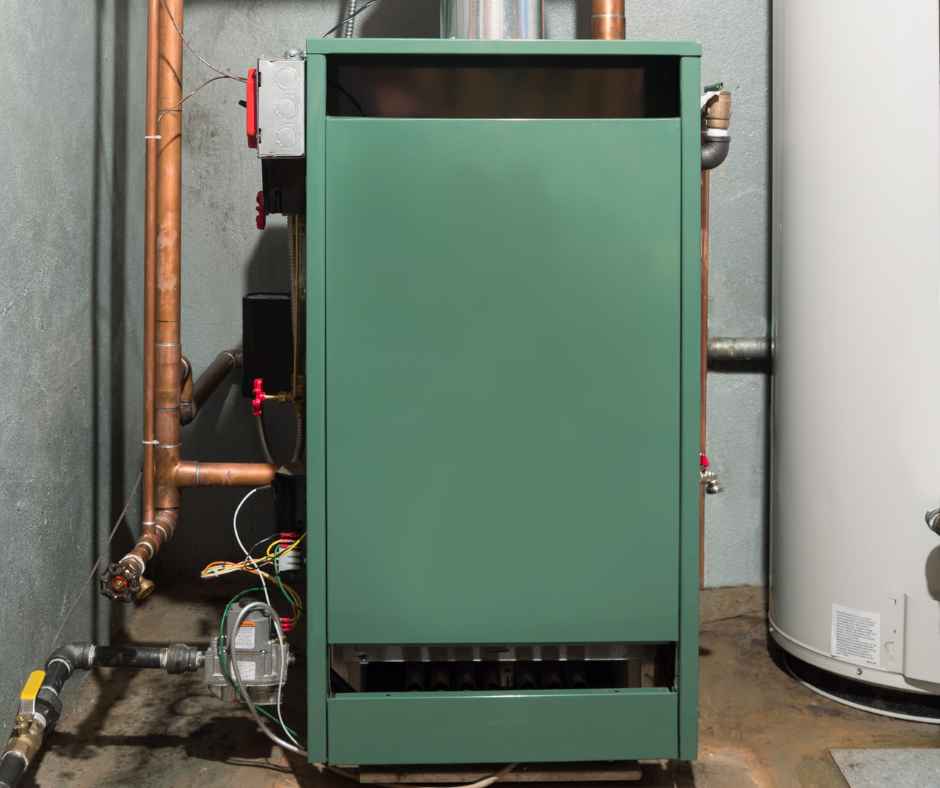
- The full heating and cooling system
The right choice depends on the age of the existing components, overall condition, and compatibility with new equipment.
Call Robert B. Payne For AC Installation Guidance
Installing a new air conditioner is not a decision to rush. The best results come from choosing the right-sized system, verifying energy efficiency, checking ductwork, and working with a qualified HVAC professional who takes the time to properly evaluate your home. When done right, a new AC installation can improve comfort, reduce cooling costs, and give you dependable performance for years to come.
If you are planning a new AC installation and want expert guidance you can trust, contact us today at Robert B. Payne Heating & Air to schedule an evaluation and explore the best cooling solution for your home.