siren 24/7 Emergency Service

Get 24/7 emergency service from Robert B. Payne. Call 540-373-5876 now for urgent service.
Winter Survival Guide for Virginia Homes: Preventing Frozen Pipes, HVAC Failures & Oil Shortages

Winter in Virginia can bring sharp drops in temperature, icy conditions, and cold fronts that place sudden stress on your home’s most important systems. Many homeowners are surprised by how quickly pipes can freeze, how easily an HVAC system can become overworked, or how fast heating oil can run low when temperatures stay below freezing. These challenges can lead to expensive damage, safety risks, and uncomfortable living conditions if a home is not properly prepared.

Staying ahead of winter weather is the best way to protect your home and ensure that your heating, plumbing, and comfort systems run reliably throughout the season. With the right maintenance steps and timely preparation, you can significantly reduce the risk of frozen pipes, unexpected HVAC breakdowns, and fuel shortages. 

In this blog, you will learn the essential steps every Virginia homeowner should take to prevent winter damage and keep their home safe and comfortable.

Why Winter Preparation Matters for Virginia Homes

Virginia’s winters bring unpredictable temperature swings that can shift from mild conditions to freezing weather quickly. These rapid changes put extra stress on plumbing, HVAC systems, and heating oil tanks, often leading to unexpected failures when homeowners least expect them. Frozen pipes, furnace breakdowns, and fuel shortages are all common problems when preparation is overlooked.

Taking time to prepare your home before the coldest weather arrives reduces the risk of emergencies and costly damage. Early maintenance allows homeowners to identify issues before they become serious problems, especially during long cold spells. A few simple steps can make a significant difference, including:

  • Checking heating systems before temperatures drop
  • Inspecting plumbing for exposed or weak areas
  • Monitoring fuel levels ahead of storms or extended cold periods
  • Scheduling preventative maintenance with a professional

These proactive measures help ensure your home stays safe, warm, and efficient throughout the winter season.

Preventing Frozen Pipes in Virginia Homes

Frozen pipes are one of the most common and costly winter problems for Virginia homeowners. When temperatures drop quickly, water inside exposed or unprotected pipes can freeze and expand. This expansion creates pressure that can cause pipes to crack or burst, leading to significant water damage once the ice thaws. Homes with uninsulated basements, crawl spaces, garages, or exterior walls are especially vulnerable during extended cold spells.

The best way to avoid frozen pipes is through proactive insulation and consistent temperature management. Taking a few key steps before and during winter can greatly reduce your risk. Some of the most effective prevention methods include:

  • Insulating exposed pipes in unheated areas
  • Sealing gaps or cracks that allow cold air to enter around pipes
  • Keeping indoor temperatures steady during cold snaps
  • Allowing a small drip from faucets on extremely cold nights
  • Opening cabinet doors to let warm air reach pipes under sinks

If you notice decreased water flow or suspect a pipe is beginning to freeze, act quickly. Turning up the heat, applying warm towels to the affected area, or using a safe portable heater can help thaw a partially frozen pipe. Calling a professional as soon as you see warning signs is the safest way to prevent a full pipe burst and protect your home from costly water damage.

Insulating exposed pipes in a home

Preparing Your HVAC System for Winter Reliability

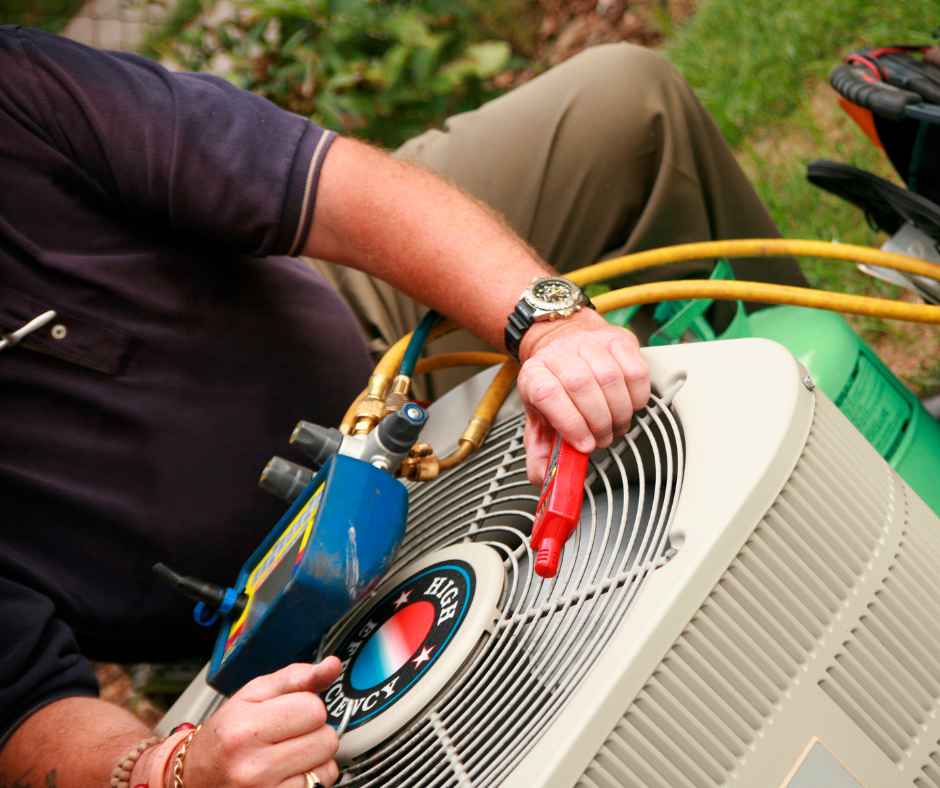
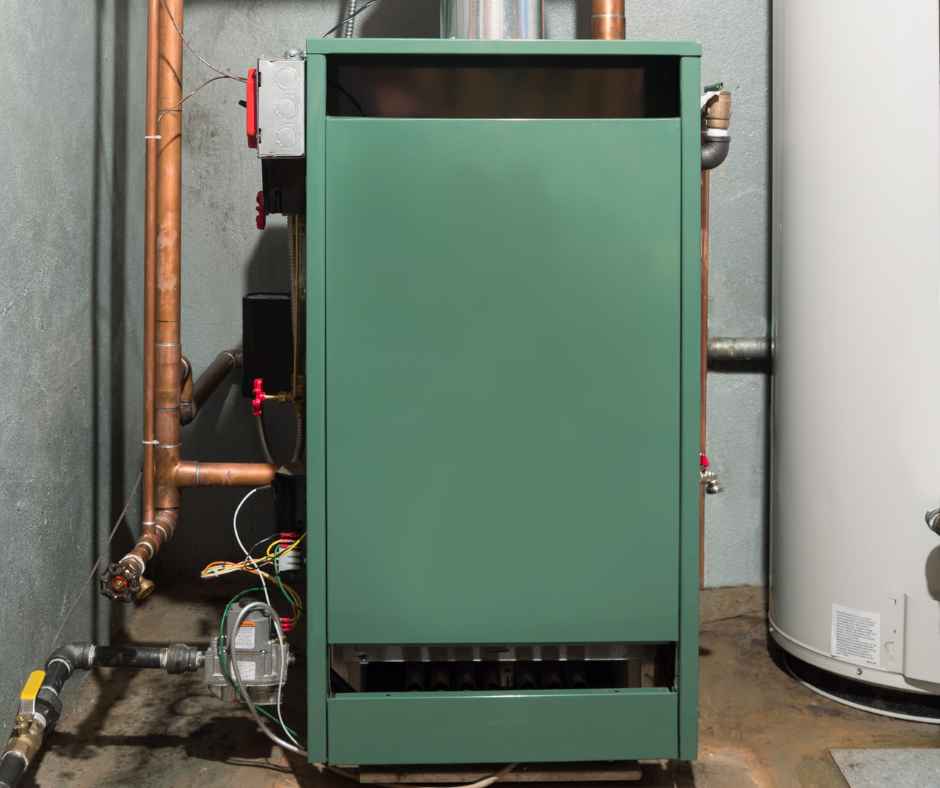
Your HVAC system works hardest during Virginia’s coldest months, and even small issues can quickly become major problems when temperatures drop. A system that is overdue for maintenance, has clogged filters, or contains worn components is more likely to struggle or fail during peak demand. Taking time to prepare your HVAC system before winter sets in is one of the most effective ways to ensure reliable heat and consistent comfort throughout the season.

Routine maintenance also helps your system operate more efficiently, which can reduce energy costs and extend the lifespan of your equipment. Simple tasks completed early in the season can prevent inconvenient breakdowns when your home needs heat the most. Key steps for winter HVAC preparation include:

In addition to these steps, homeowners should pay attention to warning signs such as weak airflow, unusual noises, or inconsistent temperatures. These issues often indicate that the system is working harder than it should, and addressing them early can prevent a complete failure during a cold spell. Proper preparation gives your heating system the best chance to operate smoothly throughout winter.

Avoiding Heating Oil Shortages During Winter

Heating oil demand increases significantly during Virginia’s coldest months, especially when long stretches of freezing weather settle in. Many homeowners underestimate how quickly their tanks can drain during these extended cold periods. Running low on heating oil can lead to uncomfortable indoor temperatures, system shutdowns, and potential damage if the furnace tries to operate without adequate fuel. Planning ahead is the best way to avoid these disruptions and maintain steady heat throughout winter.

Monitoring your tank regularly is essential, particularly during severe weather or when family members are home more often. A sudden cold snap can cause your system to use more oil than expected, making it important to keep an eye on fuel levels and schedule deliveries early. Helpful steps to prevent shortages include:

  • Checking your tank gauge weekly during winter
  • Scheduling deliveries before levels fall below one quarter
  • Considering automatic oil delivery service for consistent supply
  • Keeping a clear path to your tank for safe, timely delivery

Automatic delivery programs offer the most reliable way to avoid running out of oil since they track usage patterns and weather trends to predict when your tank will need refilling. This ensures your home stays warm without the stress of monitoring levels constantly or risking an unexpected outage. Taking these simple precautions helps keep your heating system running efficiently during the coldest days of the season.

Emergency Steps If You Experience a Freeze, HVAC Failure, or Oil Shortage

Winter emergencies can happen even when your home is well prepared. A sudden pipe freeze, HVAC breakdown, or heating oil shortage can create stressful conditions, but knowing the right steps will help protect your home and limit damage.

If you suspect frozen pipes, look for reduced water flow and increase the heat in your home. Open cabinet doors to circulate warm air and avoid using high-heat tools that can damage pipes. For an HVAC failure, check your thermostat settings, breakers, and air filter first. If the system still will not start, use safe temporary heating and schedule emergency service.

During a heating oil shortage, shut the system off to prevent damage and contact your provider right away. Keeping the area around your tank clear will help ensure a quick delivery. A few immediate actions include:

  • Minimizing water use if pipes show signs of freezing
  • Using portable heaters safely and only as needed
  • Checking simple issues like thermostat batteries or tripped breakers
  • Requesting emergency oil delivery when levels reach critical lows

These steps help stabilize the situation until a professional can restore heat or make repairs.

Why Professional Winter Maintenance Protects Your Home

Professional winter maintenance provides an added level of protection that most homeowners cannot achieve on their own. HVAC technicians, plumbers, and heating oil specialists have the tools and training to identify issues that may not be visible during a basic at-home inspection. Small problems like worn components, minor leaks, or declining efficiency often go unnoticed until cold weather pushes systems to their limits. A professional evaluation helps catch these issues early and prevents major breakdowns during freezing conditions.

Regular service also improves performance and energy efficiency, which helps keep winter heating costs under control. Expert technicians can fine-tune your equipment, verify safety components, and ensure every part is operating at its best. Additional benefits of professional winter maintenance include:

  • Reduced risk of frozen or burst pipes
  • Improved reliability of heating systems
  • Better fuel efficiency and predictable oil usage
  • Longer lifespan for HVAC and plumbing equipment

With professional support, homeowners gain peace of mind knowing their systems are prepared for Virginia’s coldest weather. This proactive approach helps protect both comfort and safety throughout the winter season.

Protect Your Virginia Home from Winter Problems

Preparing your Virginia home for winter is one of the best ways to reduce the risk of frozen pipes, HVAC failures, and heating oil shortages. By taking proactive steps and paying attention to early warning signs, you can keep your home safe, efficient, and comfortable throughout the coldest months. Winter weather in Virginia can change quickly, making it essential to stay ahead of maintenance and protect every part of your home’s heating and plumbing systems.

With support from Robert B. Payne, you can move into winter with confidence knowing your home is ready for whatever the season brings. Contact us today for reliable HVAC service, winter maintenance, and heating solutions that help keep your home protected all year long.

Frequently Asked Questions

How often should I schedule professional HVAC maintenance during the winter?

Most systems only require one professional tune-up per year, but if your system is older or runs heavily during freezing weather, a mid-season check can help maintain efficiency and prevent unexpected breakdowns.

What temperature should I keep my home at during extreme cold to protect my pipes?

Keeping your thermostat set at a consistent temperature of at least 55 degrees helps prevent pipes from freezing, especially when you are away from home for extended periods.

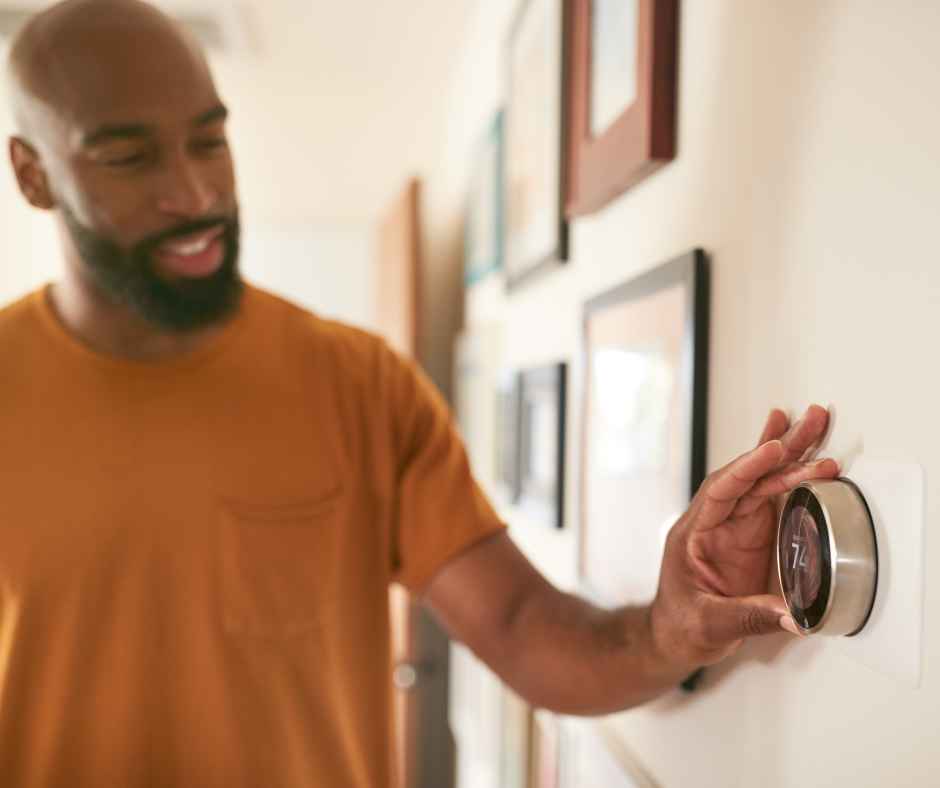
Can a smart thermostat help reduce winter heating issues?

Yes. Smart thermostats allow you to maintain steady temperatures, monitor system performance, and receive alerts if your home becomes too cold, helping reduce the risk of pipe freezes and HVAC strain.

How can I tell if my heating oil tank is too old or at risk of failing?

Signs include visible rust, wet spots on the tank, unstable footing, or inconsistent readings from the tank gauge. An annual inspection from a professional helps ensure your tank is safe and functioning properly.

Is it safe to use space heaters while waiting for HVAC repairs?

Space heaters can be used temporarily as long as they are placed on stable surfaces, kept away from flammable materials, and never left unattended. They should only be a short-term solution until your main system is repaired.

Financing Badge

Easy Financing

Same-Day Approval

Request Service

Energy Savings Agreement

Sign Up for the Energy Savings Agreement

Streamlined HVAC Maintenance & Member-Exclusive Perks
  • Annual heating and air conditioning tune-ups
  • 15% off parts, labor, and overtime costs
  • Priority service
  • Loyalty credits
  • And more