

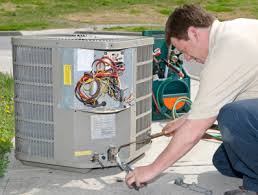
With energy costs steadily rising, chances are you are taking every possible step to minimize costs. Your home’s heating and cooling system accounts for as much as 50 percent of your total energy costs, which is why it’s essential to ensure your HVAC system is efficient. One of the best ways to increase an AC system’s efficiency is to schedule or perform regular maintenance on the unit.
According to the U.S. Department of Energy, replacing air filters is among the top priorities for AC maintenance and one of the best ways to improve your HVAC system’s efficiency. In fact, it can increase the efficiency of any HVAC system by 5 to 15 percent.
When Is It Time to Change the Filter?
HVAC system maintenance can encompass several different tasks. This includes cleaning the coils, checking the moving components, and, of course, changing the filter. But do you really know how often this maintenance should be performed to achieve optimal efficiency?
Some people take time to replace air filters and perform system maintenance when a new season starts – when they know their equipment will be working hardest. Others change the filter once each month, just for peace of mind. However, do you understand the factors that actually determine how often the air filter needs to be changed? Here’s what you need to know:
- The type of air filter: each filter has a specific, pre-determined lifespan
- Air quality in the home
- Do you have pets? We love them, but pets result in dirtier air
- The number of people in the home: more people equals more air contaminants
Benefits of Air Filter Replacement
With those above-listed factors in mind, you should change the filters when they are dirty. While this advice may seem a bit generic, the frequency of filter replacement depends entirely on your home’s living conditions. Some of the benefits that come with consistent air filter replacement include:
- Better air quality
- Lessened indoor allergens
- Lower rate of family sickness
- Improved overall health
With air filter replacement, the benefits far outweigh the costs. Just 5 minutes out of your day to replace your filter can save you money later on cold medication, allergy tabs, and yes, the energy bill too!
The Different Types Of Air Filters
There are four main types of filters you can choose for your HVAC system. Each has its own unique benefits and price point. The types of filters you can choose include:
- Fiberglass filters: This type of filter is by far the most commonly used by homeowners and business owners. Fiberglass filters are made of layered fiberglass with a metal grating that keeps the fiberglass in place. These filters are disposable and extremely affordable.
- Polyester filters: These filters are slightly thicker and more effective than fiberglass. A high-quality polyester filter may cost more initially but can last longer.
- HEPA filters: You have probably heard of HEPA filters, which stand for “high-efficiency particulate arrestance” (or air, depending on whom you ask). They are regulated by the U.S. Dept of Energy, and are incredibly effective at filtering out even small particulate matter.
- Washable filters: These filters are made of high-quality, durable materials that can be cleaned and reused. Your HVAC technician can recommend the right washable filter for your unit.
Benefits of Regular HVAC System Maintenance
In addition to increasing the efficiency of your HVAC system, regularly maintaining it (including filter replacement) will help reduce wear and tear. This is because the unit will not have to work as hard. When the air filter is clean, air flows easily, minimizing the effort required. Regular maintenance and air filter replacement can also help improve overall air quality, reducing symptoms of allergies, asthma, and other respiratory conditions.
Why Trust Robert B. Payne for Your Air Filtration?
At Robert B. Payne, we’ve been the technical authority for indoor comfort in Fredericksburg and the surrounding areas since 1930. We understand that air filter replacement is the single most important maintenance task for protecting your HVAC investment and ensuring your family breathes clean air.
When you choose our team to manage your filtration, you benefit from:
- Deep technical expertise: Our highly-trained technicians don’t just “swap a filter.” We evaluate your system’s static pressure to ensure the filter density (MERV rating) is optimized for your specific blower motor, preventing equipment strain while maximizing purification.
- Ninety-five years of local reliability: Since 1930, we have survived and thrived by providing honest, straightforward service. We are a Fredericksburg institution built on long-term client relationships.
- 24/7 emergency support: Filtration issues or clogged coils don’t wait for business hours. If an overlooked filter leads to a system freeze-up or shutdown, our team is available around the clock to restore your air.
- 100% satisfaction guarantee: We stand behind the quality of every visit. If your filtration system isn’t performing as promised or you aren’t satisfied with our professional conduct, we will make it right, guaranteed.
If you need more information about when to replace an air filter, contact Robert B. Payne at 540-373-5876.
FAQs
How do I choose between a standard fiberglass filter and a high-efficiency HEPA or pleated filter?
Fiberglass filters are designed primarily to protect your HVAC equipment from large dust particles, but they do little for indoor air quality. Pleated polyester or HEPA filters have a much tighter weave, allowing them to trap smaller allergens like pollen, pet dander, and mold spores. During a maintenance visit, we can check your system’s static pressure to ensure the blower has the capacity to handle a higher-efficiency filter without restricting airflow.
Can switching to a high-MERV air filter actually lower my monthly energy bills?
Yes, but only if it’s changed regularly. A clean, high-efficiency filter allows your system to reach its target temperature faster, which the U.S. Department of Energy estimates can increase HVAC efficiency by 5% to 15%. However, if a high-MERV filter is left in place too long and becomes clogged, it creates significant resistance, forcing your motor to work harder and increasing your energy consumption.
How do lifestyle factors, such as pets or home occupancy, affect my filter replacement schedule?
The standard “every 90 days” advice doesn’t apply to every household. If you have shedding pets, multiple occupants, or family members with respiratory issues, your filter will load with contaminants much faster. We recommend a monthly visual inspection; if the filter surface appears gray or “fuzzy,” replace it immediately to maintain optimal air quality and prevent system strain.
What is the benefit of a “washable” electrostatic filter compared to a disposable one?
Washable filters are made of durable, multi-layered fibers that create an electrostatic charge to attract particles. While they have a higher upfront cost, they are environmentally friendly and can last for several years with proper cleaning. We can help you determine if your HVAC model is compatible with a permanent filter and show you the correct rinsing and drying techniques to prevent mold growth within the filter media.